Phu Quoc is tropical and warm all year, with temperatures typically between the mid-20s and low 30s Celsius. What changes is the rain, the wind and the state of the sea — and that matters a great deal on an island where the best days are spent on boats.
Two seasons
The dry season runs roughly from November to April, under the northeast monsoon: sunny days, little rain and calm water on the west coast and around the southern islands. December to March is the peak, with the most reliable weather and the highest prices. April is the hottest month. The rainy season, roughly May to October, comes with the southwest monsoon: heavy showers and storms, often in the afternoon, with the wettest weeks usually around July to September. The west coast gets the wind and waves.
| Months | Weather | On the water | Verdict |
|---|---|---|---|
| November | Rains ending, greener landscapes | Improving; occasional rough days | Good shoulder month |
| December – March | Dry, sunny, slightly cooler | Calm and clear on the west coast and islands | Best for island hopping and beaches |
| April | Hottest, still dry | Calm | Very good if you like heat |
| May – June | Rains return, often in short bursts | Variable; some cancellations | Lower prices, still plenty of good days |
| July – September | Wettest, with storms | Rough on the west coast; more trip cancellations | Choose the east coast and flexible plans |
| October | Wet but easing | Variable | Quiet, good value |
Which coast, which season?
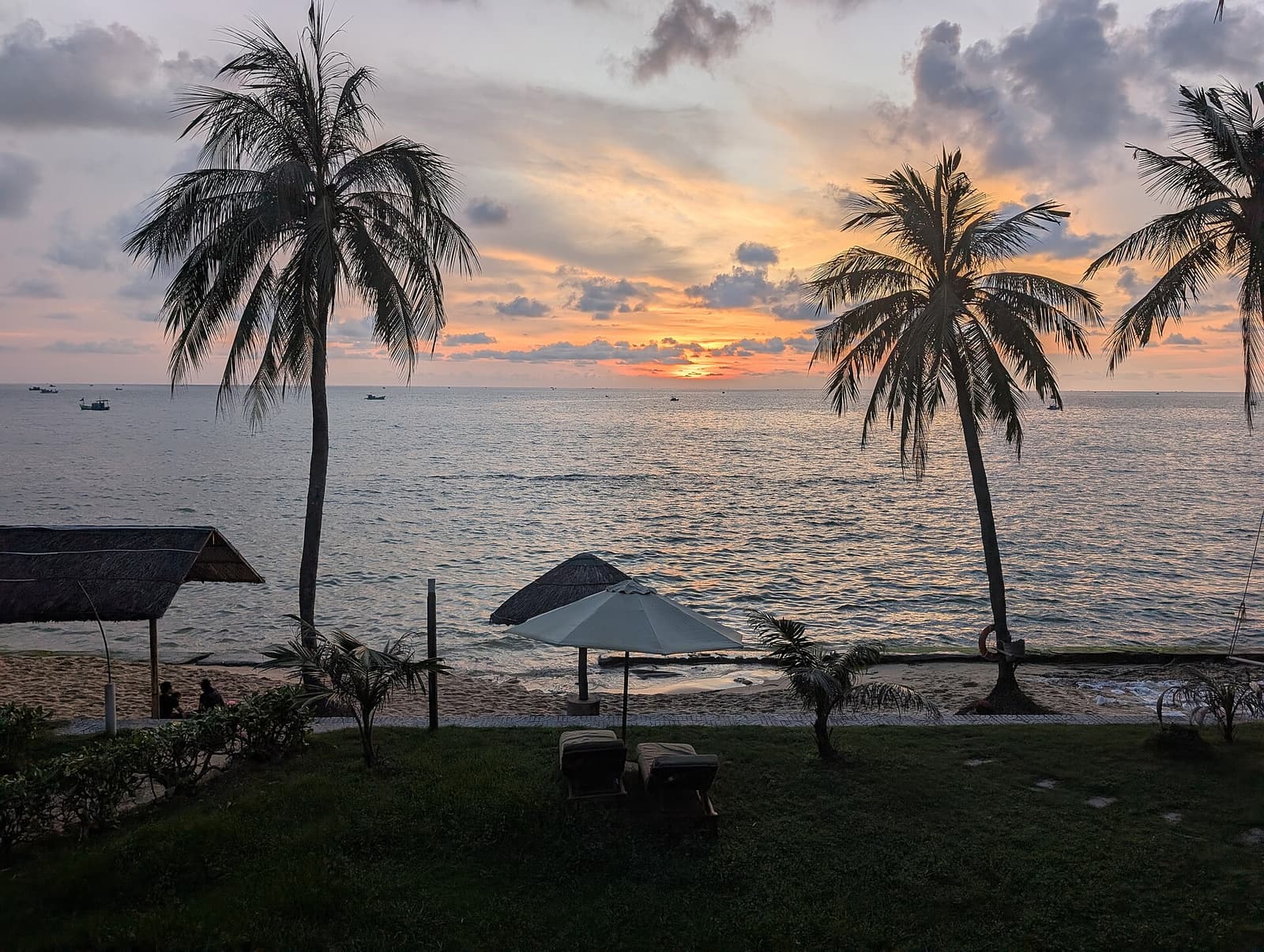
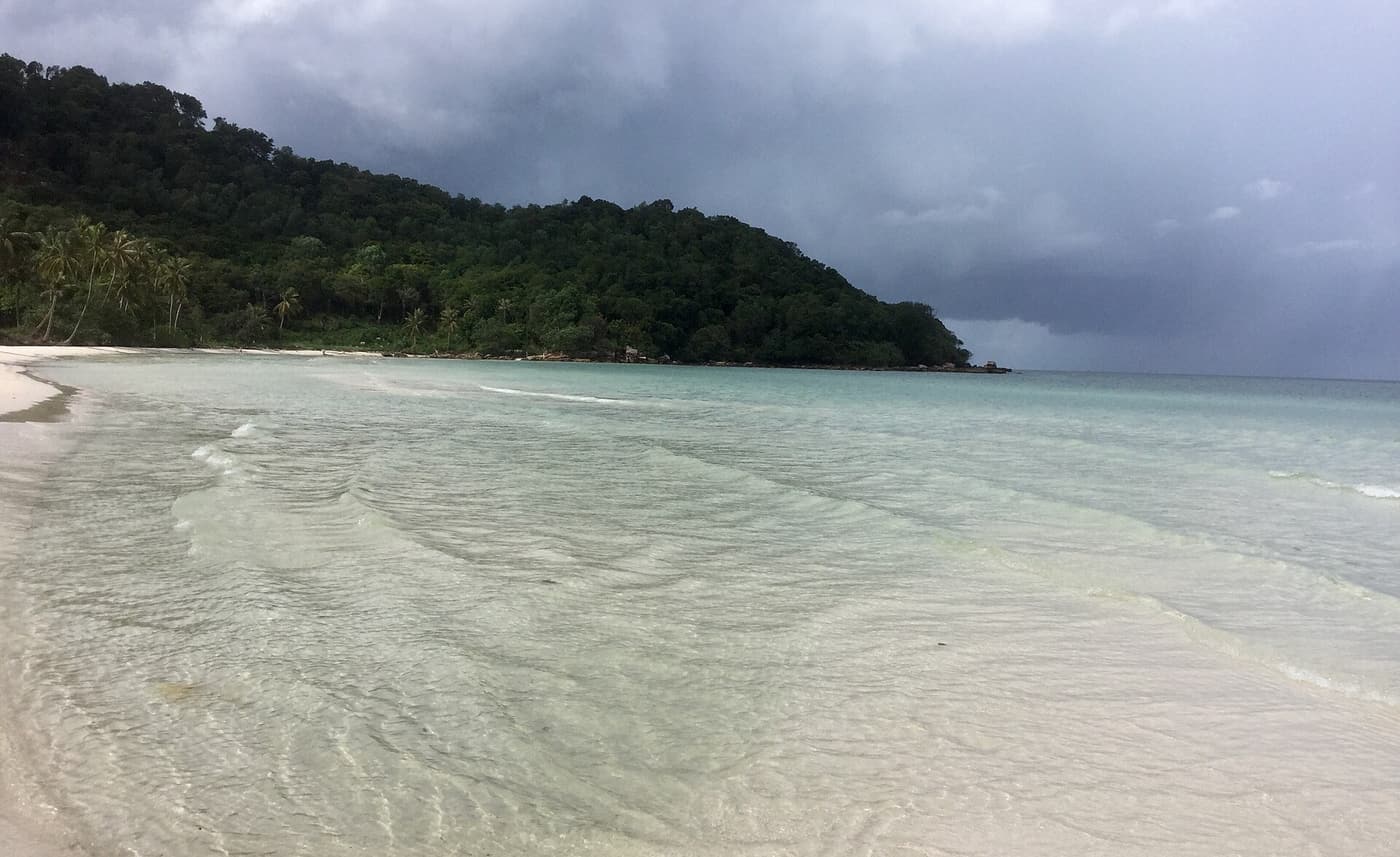
In the dry season, the west coast — Long Beach, Ong Lang and the sunset spots — is at its best. In the rainy season, the sheltered east coast is calmer: Sao Beach, Kem Beach and the Ham Ninh area stay swimmable on many days when the west coast is rough. Island trips in the south still run on calm days, but check forecasts and cancellation terms.
Holidays and crowds
- Tet (Lunar New Year), in late January or February, is the busiest time of the year: book flights, hotels and tours early, and expect higher prices.
- Vietnamese summer holidays, roughly June to August, bring many domestic families despite the rain.
- Holidays in visitors’ home countries — such as Korean, Chinese and Japanese holiday weeks and the Western Christmas season — also fill flights and resorts.
- 30 April and 1 May and 2 September are national holidays with busy domestic travel.
For specific activities
- Snorkelling and diving: December to April for the calmest water and best visibility.
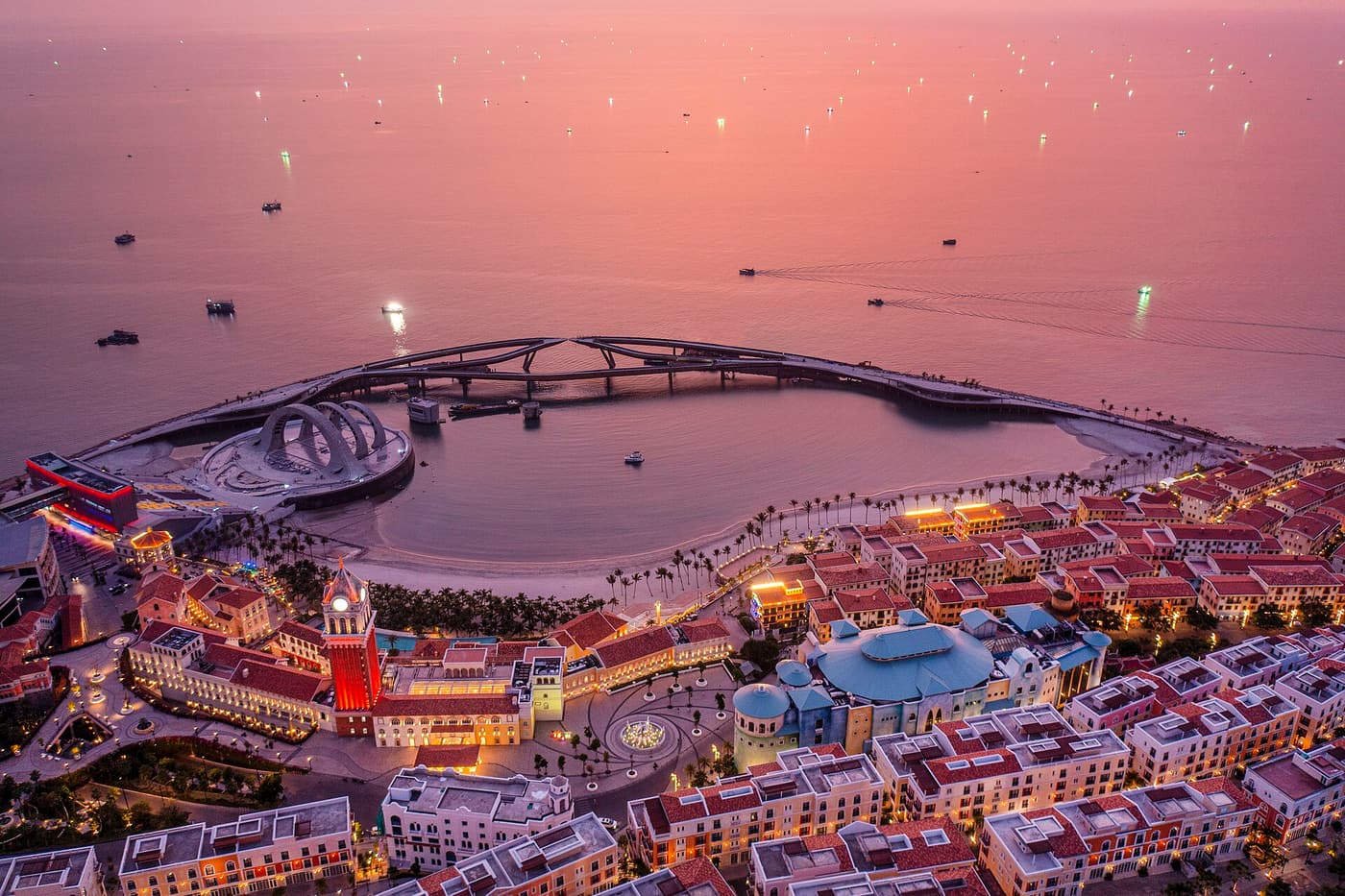
- Sunsets: the dry season, from the west coast and the Kiss Bridge.
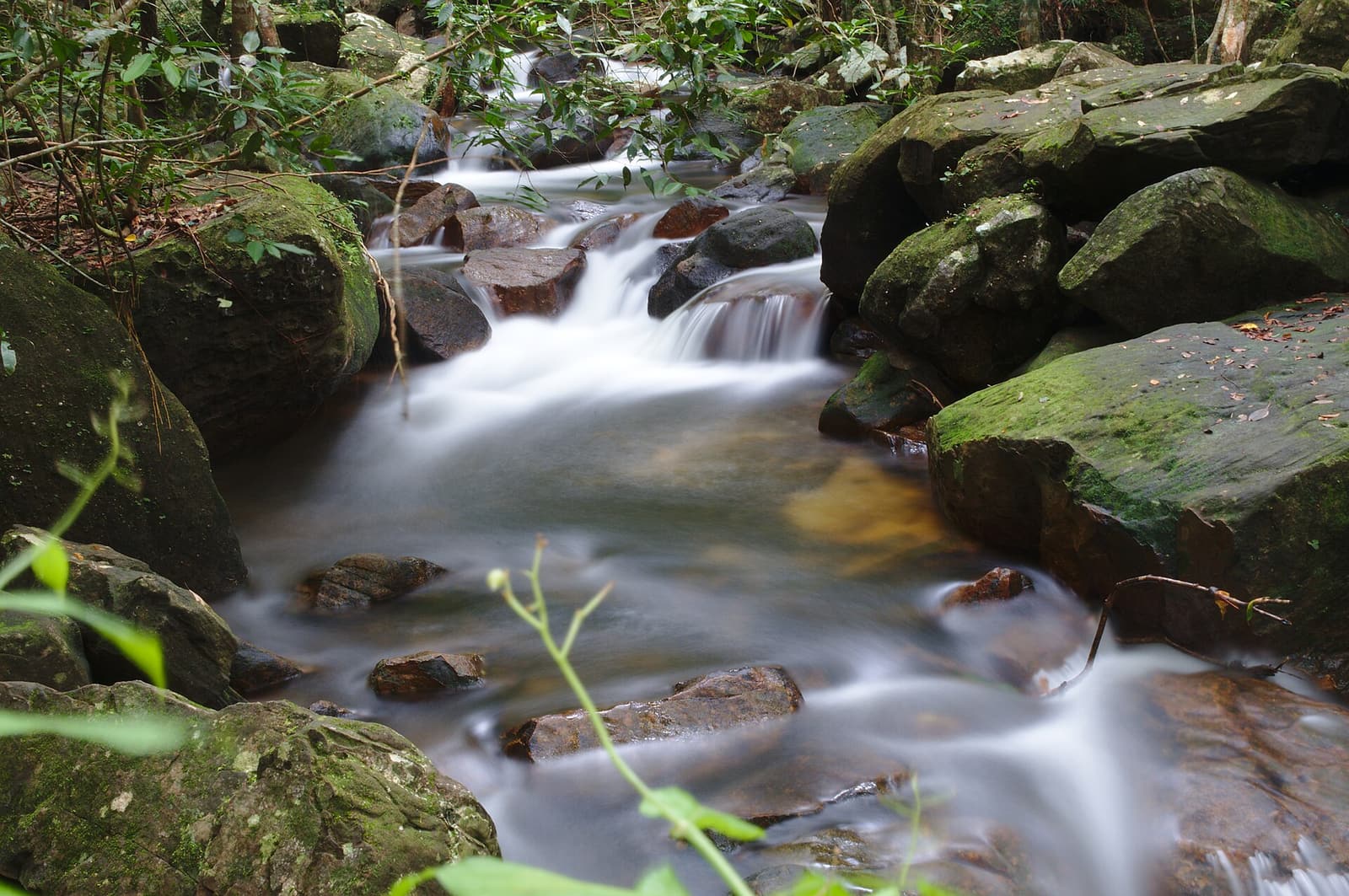
- Forest streams and waterfalls: late in the rainy season and just after, around August to December.
- Low prices and few crowds: May, June, September and October, with flexible plans.
So when should you go?
If your dates are free, aim for December to April. If they are fixed in the rainy season, come anyway: stay near the east or south coast, book tours with free cancellation and keep a spare day for the islands. See getting to Phu Quoc and the travel guide for the rest.