Phu Quoc has changed fast. Twenty years ago it was a quiet fishing island known for fish sauce and pepper; today it has an international airport, big resorts, theme parks and a cable car — and still has empty beaches, forest and fishing villages if you know where to look. This guide helps you get the balance right.
The island in brief
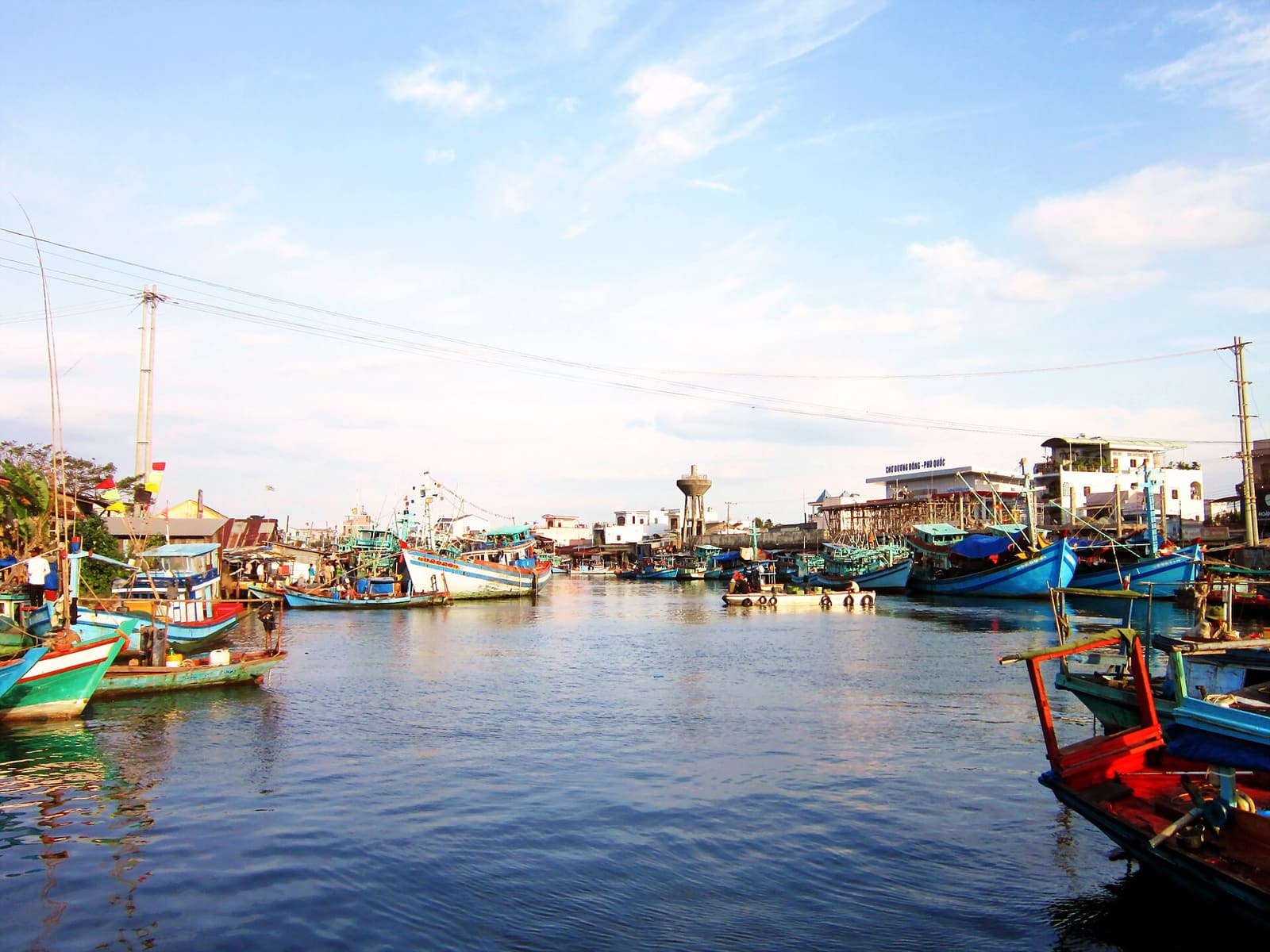
Phu Quoc is Vietnam’s largest island, roughly 50 km long, lying in the Gulf of Thailand off the south-west coast of the country. Its main town is Duong Dong on the west coast; the fishing port of An Thoi is at the southern tip, and much of the north is national park. Administratively the island was long part of Kien Giang province; in Vietnam’s 2025 reorganisation of provinces it became a special administrative zone within the enlarged An Giang province.
A short history
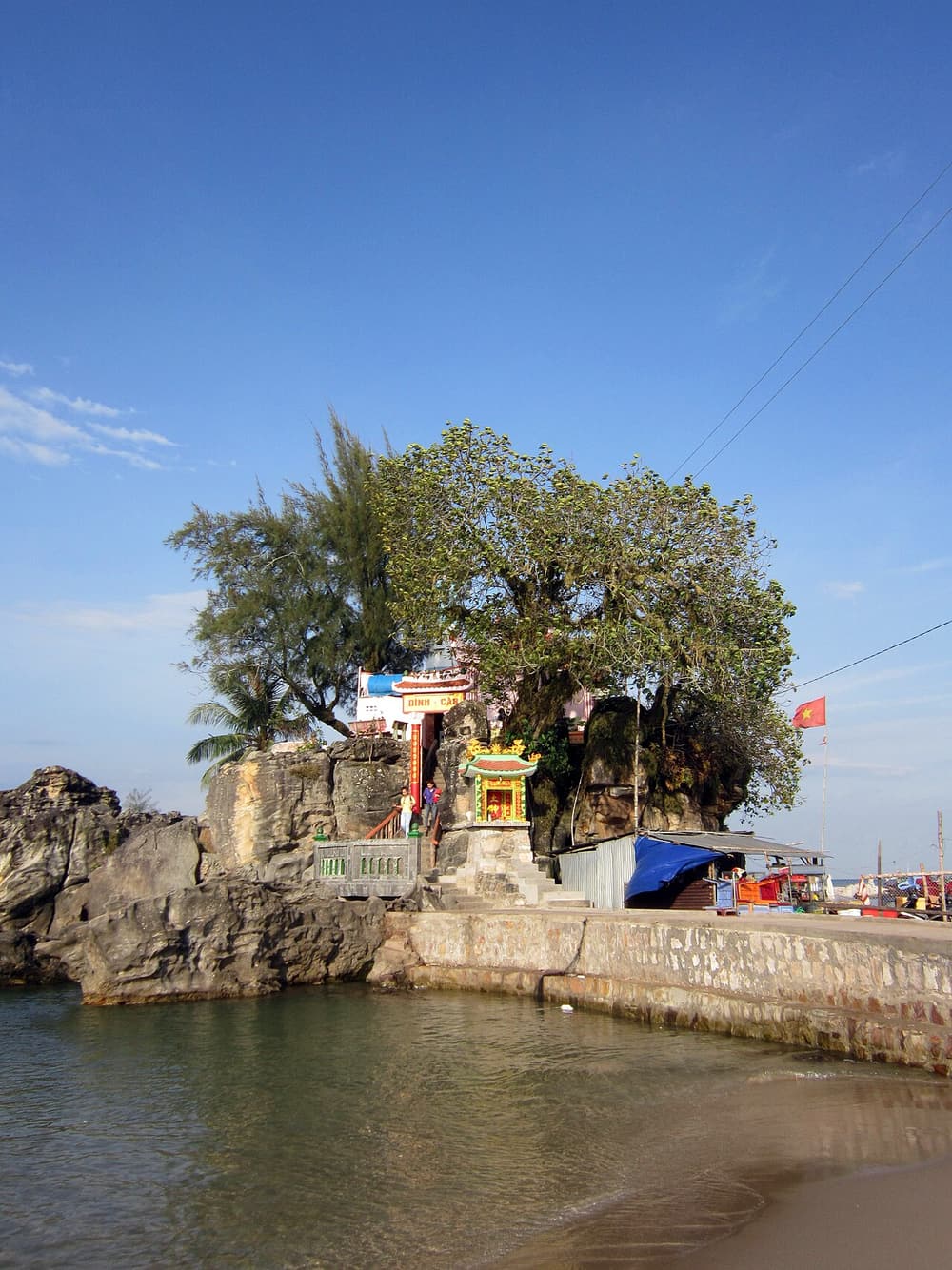
For centuries Phu Quoc was a remote island of fishermen and pepper growers on the edge of the Khmer and Vietnamese worlds. In the late 18th century the future Emperor Gia Long took refuge here during the Tay Son wars. In 1868 the resistance leader Nguyen Trung Truc, who had fought the French in the Mekong Delta, was captured on the island; a temple dedicated to him stands on Phu Quoc today. Under French rule and during the Vietnam War the island held a large prison camp, remembered at the Phu Quoc Prison site. Tourism took off after the new international airport opened in 2012.
How many days?
| Time | What you can do | Suggested base |
|---|---|---|
| 2 days | Island hopping and the cable car in one combo day, plus Duong Dong and the night market | Long Beach or Duong Dong |
| 3–4 days | A snorkelling day in the south, a day in the north, Sunset Town in the evening, a beach day | Long Beach, or split with the south |
| 5–7 days | All of the above plus VinWonders or the Safari, Sao Beach, a dive, a slow day in Ong Lang | Two bases: south or Long Beach, then Ong Lang or the north |
 The south: An Thoi & the islands
An Thoi Islands
The island-hopping and snorkelling heart of Phu Quoc
A scatter of small islands off the southern tip of Phu Quoc — Hon May Rut, Hon Mong Tay, Hon Gam Ghi, Hon Thom and their neighbours — with white beaches, shallow reefs and the clearest water around the island. Almost every boat tour comes here.
 The south: An Thoi & the islands
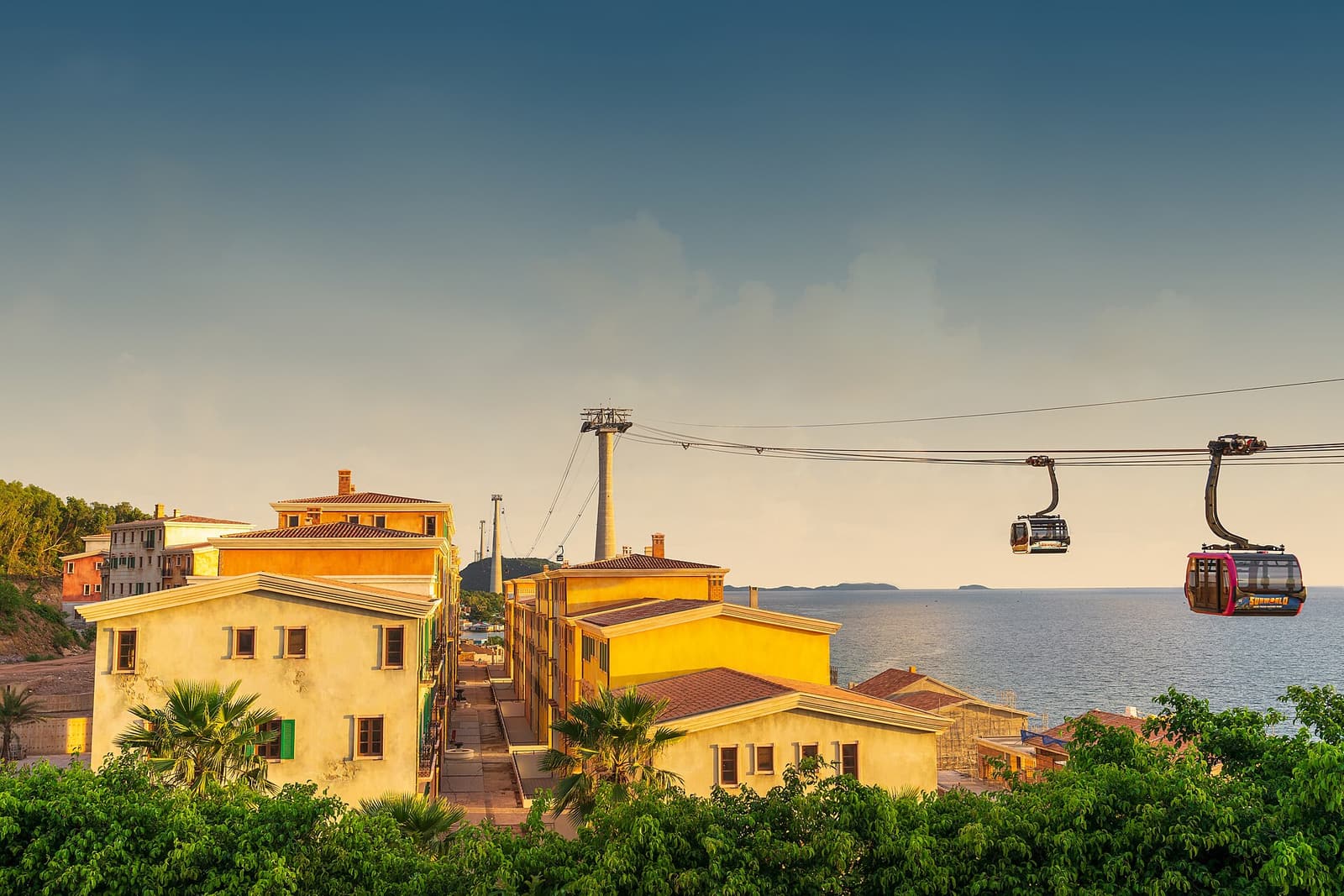
Hon Thom Cable Car & Sun World
Almost eight kilometres over the sea
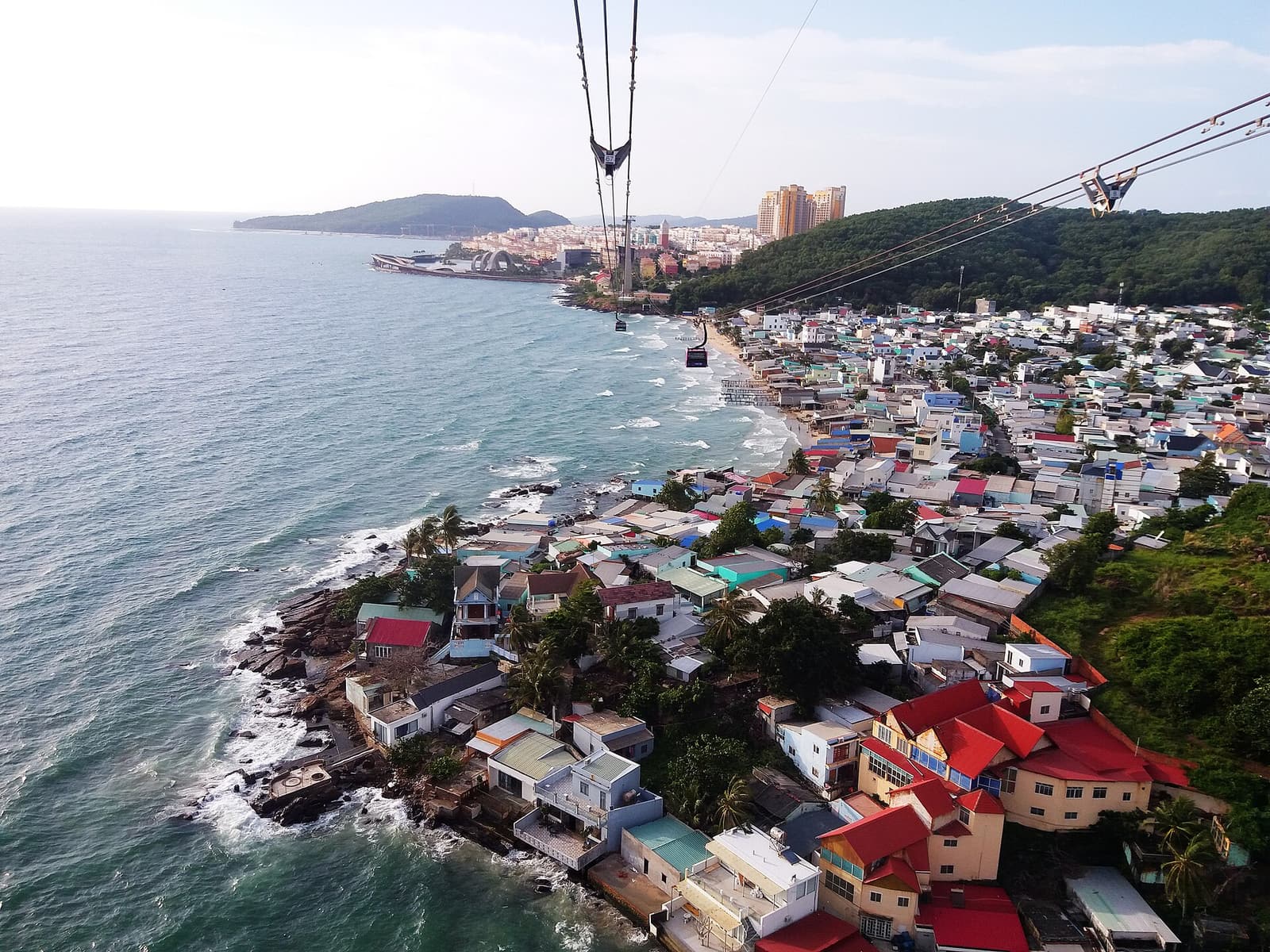
One of the longest sea-crossing cable cars in the world, running from An Thoi over the fishing harbour and several islands to Hon Thom, where Sun World’s nature park has the Aquatopia water park, rides and a beach.
 The south: An Thoi & the islands
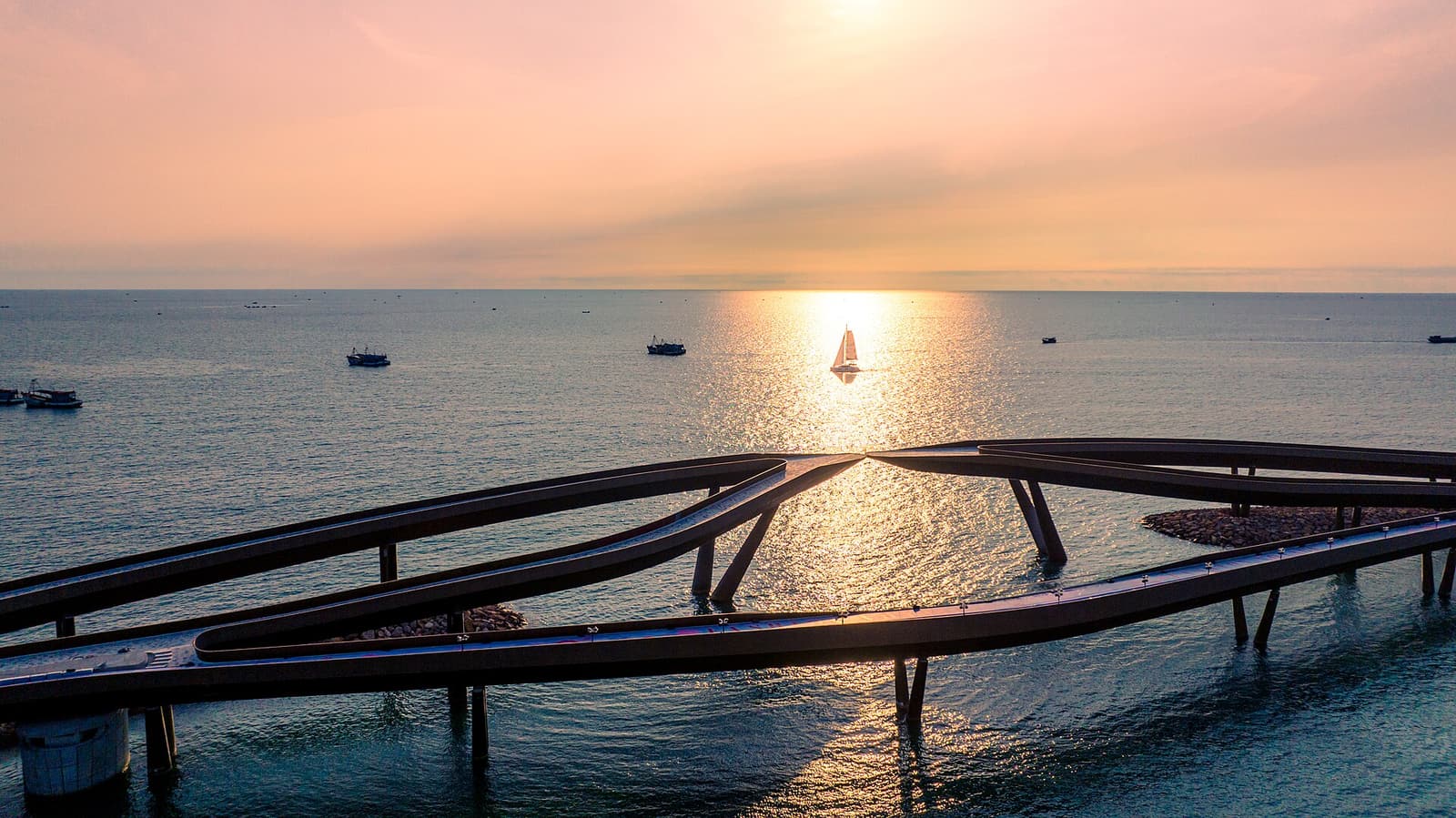
Sunset Town & the Kiss Bridge
A Mediterranean-style resort town built for the sunset
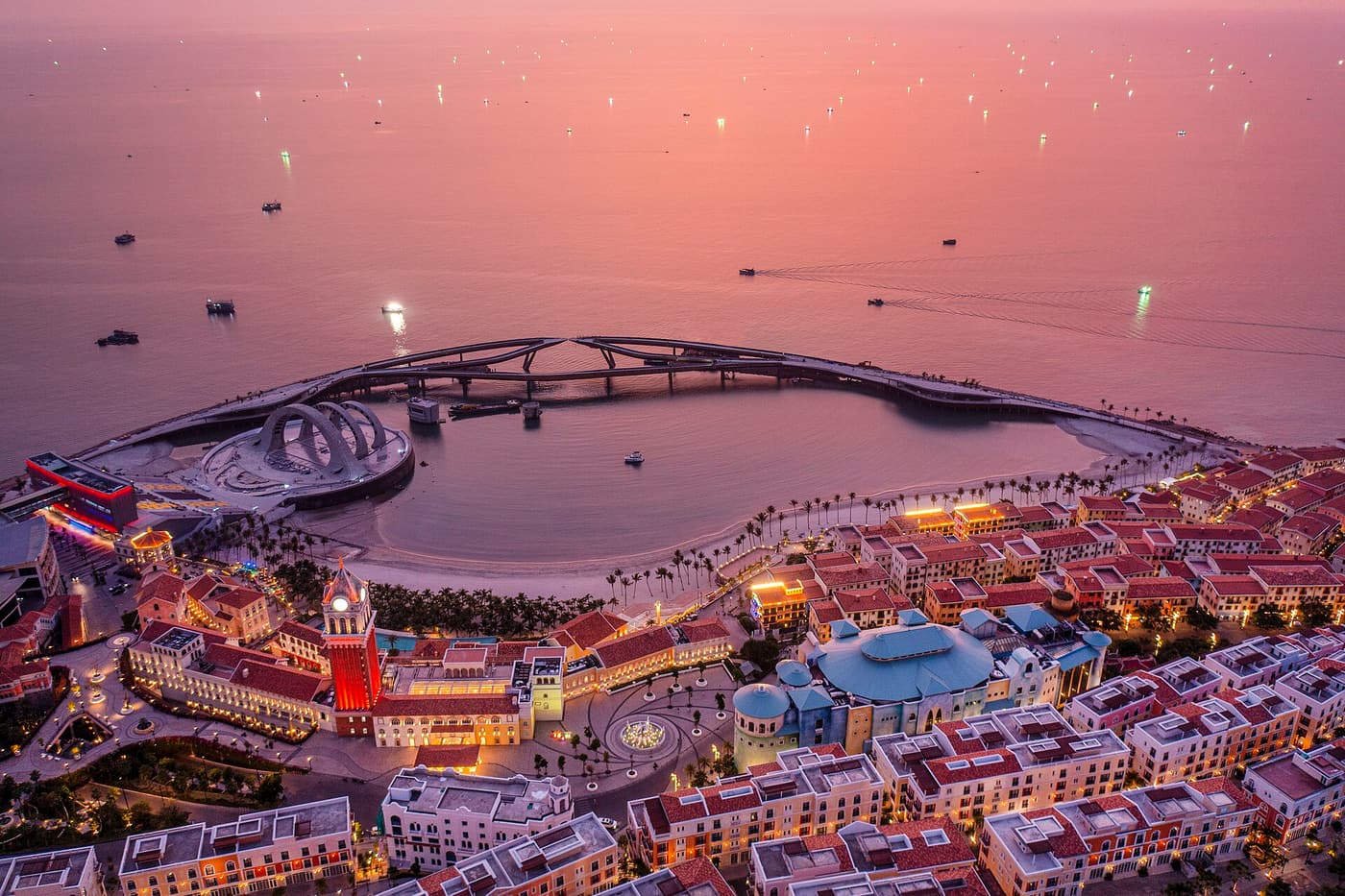
A colourful, purpose-built seafront town near An Thoi, with pastel houses, a clock tower and the Kiss Bridge — two arms that reach out over the sea and almost, but not quite, meet. Evening shows with fireworks draw crowds most nights.
 The south: An Thoi & the islands
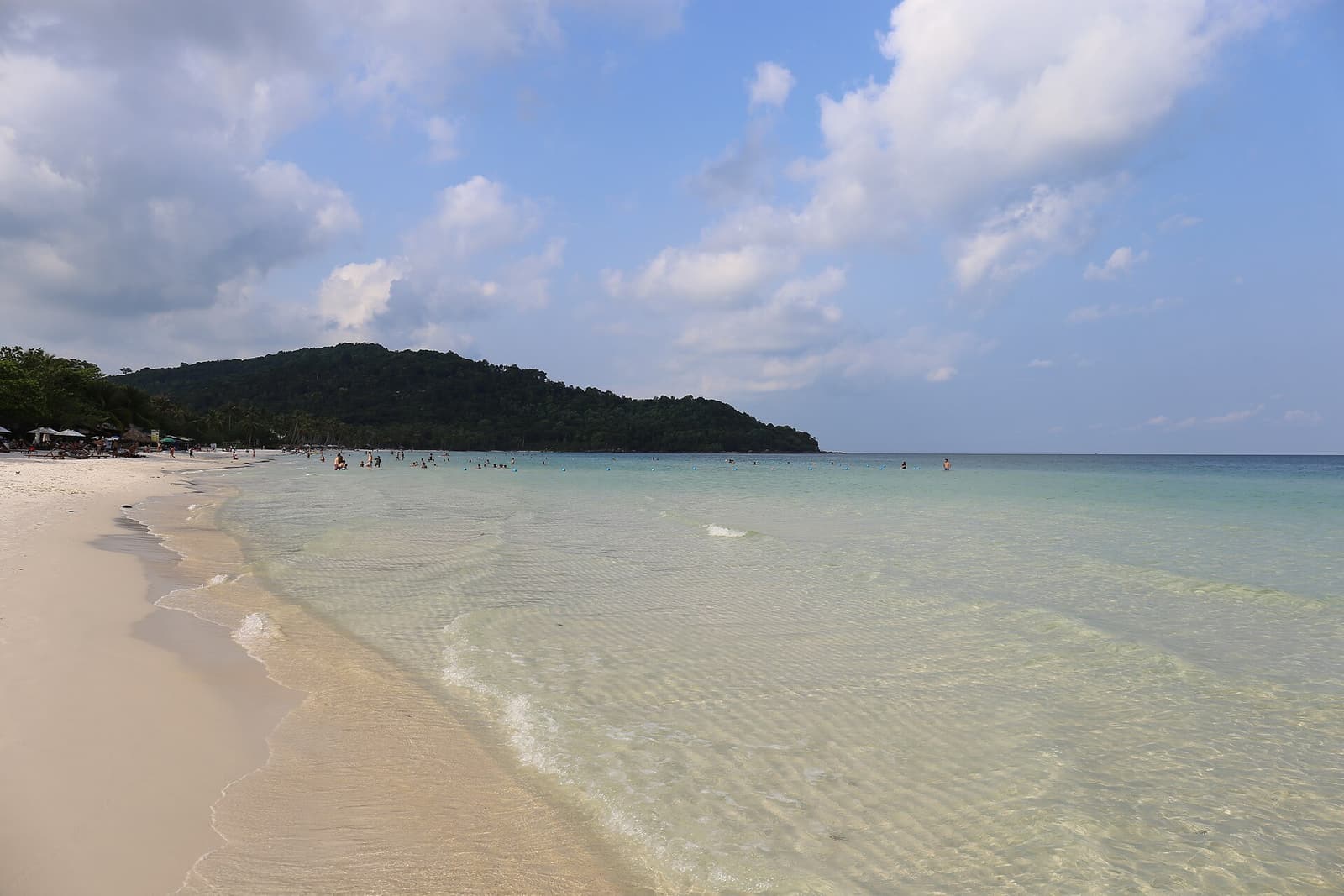
Sao Beach (Bai Sao)
Powder-white sand on the calm east coast
The beach on Phu Quoc’s postcards: a long curve of very fine white sand and pale turquoise water on the south-east coast. It stays swimmable when the west coast is rough in the monsoon months.
Sample itineraries
- Day 1 — the south by sea: a speedboat snorkelling day among the An Thoi islands; sunset at the Kiss Bridge and the evening show at Sunset Town. See island hopping.
- Day 2 — the north: kayaking and Starfish Beach, lunch on stilts over the water, then Grand World at dusk.
- Day 3 — the island’s flavours: a fish sauce house, a pepper farm and a pearl showroom in the morning, Sao Beach in the afternoon, the night market and Dinh Cau in the evening.
- Day 4 — your choice: VinWonders or the Safari with children, a dive, or the cable car and Aquatopia.
Money and costs
The currency is the Vietnamese dong (VND). ATMs are common in Duong Dong, Long Beach and the south, and cards are accepted in hotels, larger restaurants and attractions; carry cash for markets, small restaurants, island fees and tips. Phu Quoc is more expensive than mainland Vietnam’s backpacker towns but good value by international standards. Tour prices on this site are shown in euros as indicative “from” prices; the booking page shows your currency.
Food and drink
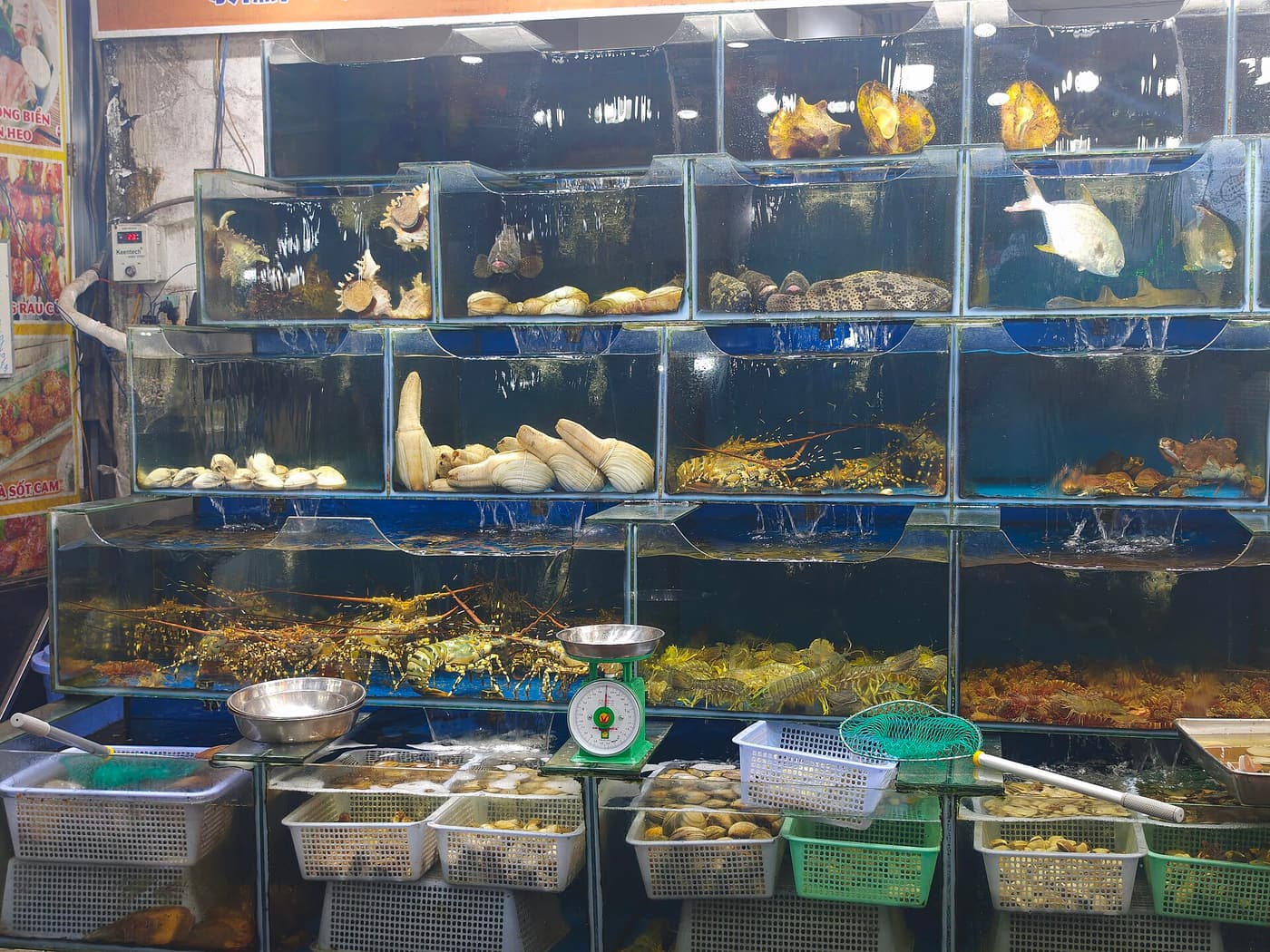
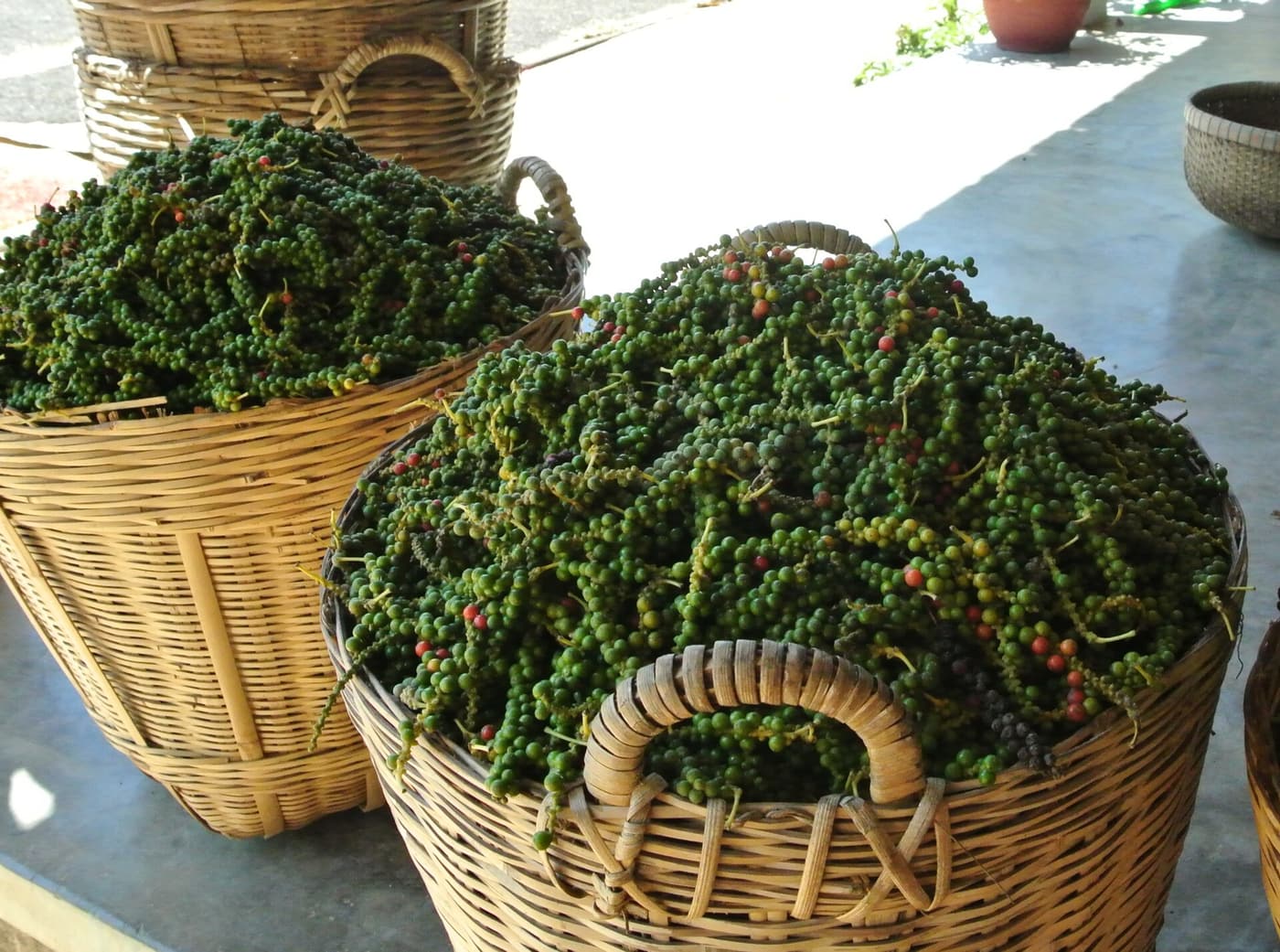
Seafood is the point: grilled squid, scallops and prawns, crab from the fishing village of Ham Ninh, sea urchin, and gỏi cá trích, a fresh herring salad rolled in rice paper with herbs. Try bún quậy, a noodle dish where you mix your own sauce, and the island’s famous fish sauce and pepper. Phu Quoc is also known for rượu sim, a sweet wine made from rose myrtle berries. Check seafood prices by weight before ordering.
Local customs
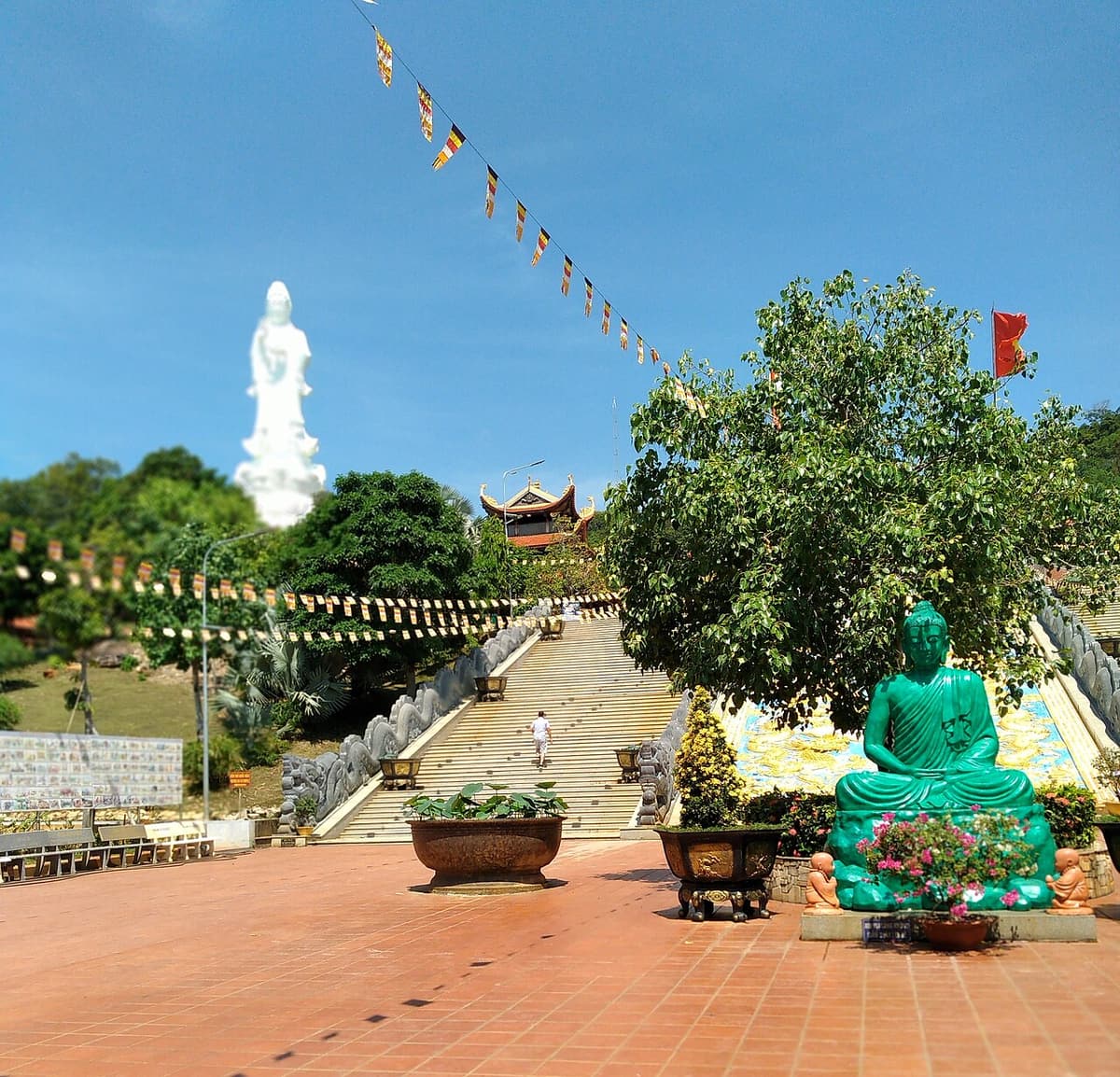
- Dress modestly at pagodas and shrines such as Dinh Cau and Ho Quoc: cover shoulders and knees and remove your shoes where asked.
- Topless sunbathing is not acceptable on public beaches.
- Haggling is normal at markets, not in restaurants with printed prices.
- Tipping is not traditional but is appreciated by guides and boat crews.
Safety and health
- The sea: the west coast can have strong waves and currents in the monsoon months. Swim where others swim and respect red flags.
- Sun and heat: temperatures sit around the high 20s to low 30s °C all year; drink plenty and cover up on boats.
- Mosquitoes: use repellent, especially in the rainy season, and ask a travel clinic about recommended vaccinations.
- Water: do not drink tap water; bottled water is everywhere.
- Roads: traffic is the biggest real risk. Wear a helmet and avoid riding at night if you are not experienced.
- Scams: mostly minor — inflated seafood bills and fake pearls. Agree prices first and buy pearls from reputable shops.
Language and connectivity
Vietnamese is the language of the island; English is spoken in hotels, tour companies and many restaurants, and signs in tourist areas often appear in several languages. Buy a local SIM or eSIM at the airport — coverage is good across most of the island. Power is 220 V with two-pin sockets.
What to pack
- Light clothes, swimwear and a rash guard for snorkelling
- A light long-sleeved layer for boats, air-conditioned buses and temples
- Reef-safe sunscreen, a hat and sunglasses
- A dry bag and a small daypack
- Insect repellent and any personal medicines
- A rain jacket from May to October